Let’s turn back our caps and look at some of the more exciting names translators had to create for some of the Pokémon series.
Key Takeaways
• “Pokémon” is short for the Japanese “Pocket Monsters” (ポケットモンスター), trimmed and reworked for the franchise’s worldwide release in 1998.
• Most Pokémon names are portmanteaus, two words fused into one, so a name usually signals the creature’s appearance, type, or behavior at a glance.
• Many localized names are rebuilt rather than transliterated: across the games’ nine languages, translators recreate the original pun using techniques like palindromes, anagrams, reversed spellings, and local cultural references.
• A surprising number of names nod to real people, from illusionists like Harry Houdini and Uri Geller (the Abra line) to martial artists Bruce Lee and Jackie Chan (the Hitmon trio).
• A handful of names, including the series mascot, stay the same in almost every language, while the rest are fully localized, balancing global brand recognition against local wordplay.
A Brief History of the Pokémon Game Series
If you’re new to the Pokémon games or have already amassed a collection of gym badges and never really thought about the names of these creatures, here’s a little background on how the game series came to be.
When the original game was released in Japan, it was called “Pocket Monsters”, which comes from the Japanese word “ポケットモンスター, Poketto Monsutā.” It refers to the Game Boy and the creatures’ size and ability to fit in your pocket. It was eventually westernized to the now more commonly known “Pokémon” when it was released worldwide in 1998.
The concept and gameplay loop is that you’re a young Pokémon trainer on a journey to catch wild monsters, train them, and have them battle each other in the hopes of beating each of the required gyms and becoming the Pokémon master.
Core Idea: The franchise’s own name is a contraction, not a coincidence, and that same love of wordplay runs through nearly every creature name that follows.
There are Portmanteaus everywhere
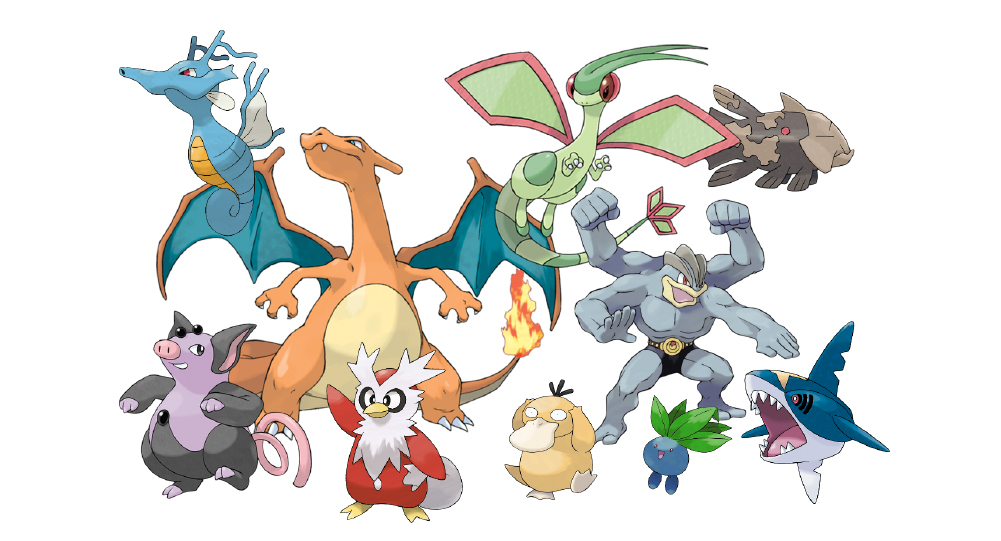
On your journey through the many regions, you’re bound to notice that Pokémon names are portmanteau puns on various other words or phrases. We discussed portmanteaus in a previous blog post. For example, Pikachu’s name is taken from pika (a Japanese word for “flash”) and chu (the sound a mouse makes).
Some names are self-explanatory, while some have been preserved in the target language. Pikachu is one of the few examples whose name has not been changed throughout most translations because it is the game and show’s primary mascot.
A selection of some of the English translation portmanteaus can be seen below:
● Charizard – Char (Fire/Coal) + Lizard
● Oddish – Odd + Radish
● Psyduck – Psychic + Duck
● Machamp – Macho + Champion
● Relicanth – Relic + Coelacanth (An ancient fish species)
● Grumpig – Grumpy + Pig
● Flygon – Flying + Dragon
● Sharpedo – Shark + Torpedo
● Kingdra – King + Dragon
● Delibird – Delivery + Bird
Key Point: Once you learn to read the pattern, most Pokémon names split neatly into two familiar words, and the fun is in catching where one ends and the next begins.
Different names, same Pokémon
Now with the understanding of the naming conventions, let’s look at some of the other localized versions of the Pokémon names and how they attempt to retain some of the charms and identifiable characteristics of the originals, some more successful than others.
Girafarig
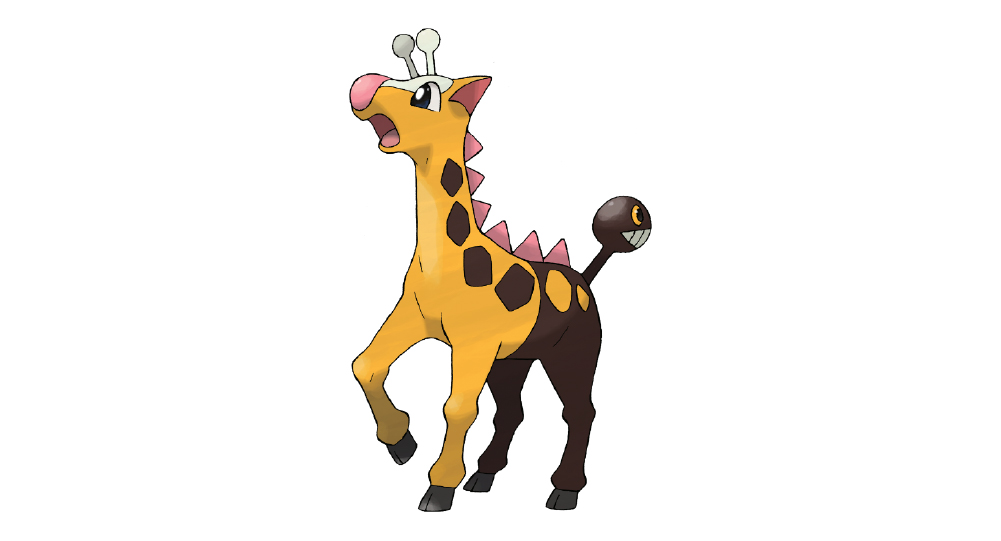
Girafarig’s design was reminiscent of a character in the Doctor Dolittle book series, “Pushmi-pullyu”, described as a two-headed gazelle. Its name and design were made to emphasize its reverse appearance. However, the idea for a second giraffe head was scrapped and replaced with a tail with a large mouth. However, the duality of the Pokémon remained in its palindromic name and is the same name used for other European translations.
In Japan, they also used a palindrome for the Pokémon’s name, “キリンリキ Kirinriki,” which is a portmanteau of the words “kirin” (giraffe) and “nenriki” (telekinesis), hinting at a psychic type of Pokémon. Girafarig also picked up a long-awaited evolution in 2022’s Pokémon Scarlet and Violet: Farigiraf. The naming team kept the joke running, since Farigiraf is another palindrome, essentially Girafarig turned inside out, which mirrors the way its tail-head flips forward and fuses with the main one. The two are among only five Pokémon whose English names read the same in either direction.
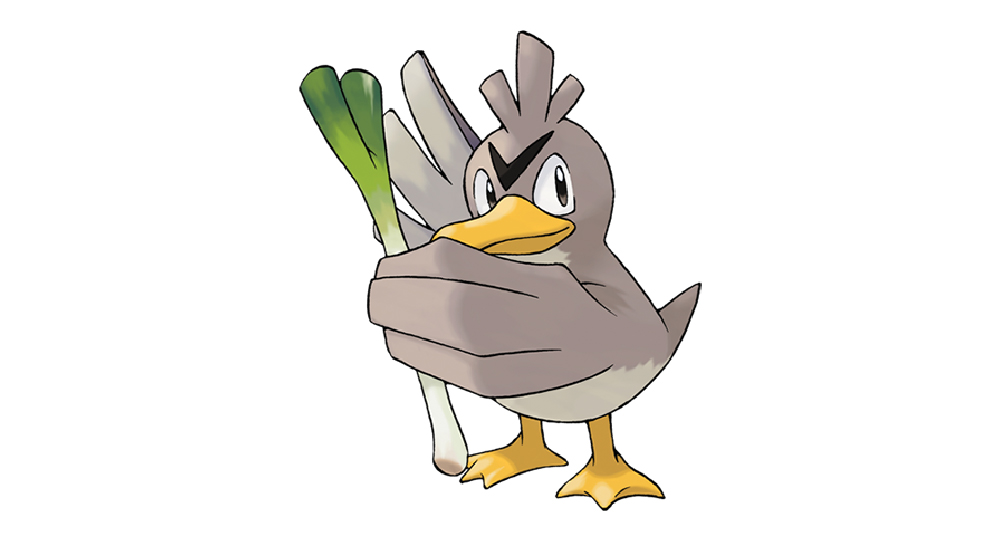
Farfetch’d
The origins of this little Pokémon stem from an old Japanese saying, “鴨が葱を背負って来る”, literally translating to “a duck comes bearing spring onions”. It means “golden opportunity”, more commonly referred to as an unbelievable situation or something a bit far-fetched.
The phrase can be shortened to “カモネギ Kamonegi”, meaning “Kamo” (duck) and “Negi” (spring onion). The other languages opted for a more literal translation of what the Pokémon is rather than transcreating the original phrase like the English one.
● Porenta – “Porree” meaning (leek), and “ente” meaning (duck) in German.
● 파오리 Paori – “Pa” meaning (scallion), and “ori” meaning (duck) in Korean.
● Canarticho – “Canard” meaning (duck), and “artichaut” meaning (artichoke) in French. Farfetch’d later earned an evolution of its own, Sirfetch’d, in Pokémon Sword and Shield (2019): “Sir” (the knightly honorific) plus “fetch’d”, giving a leek-wielding duck modeled on a medieval knight.
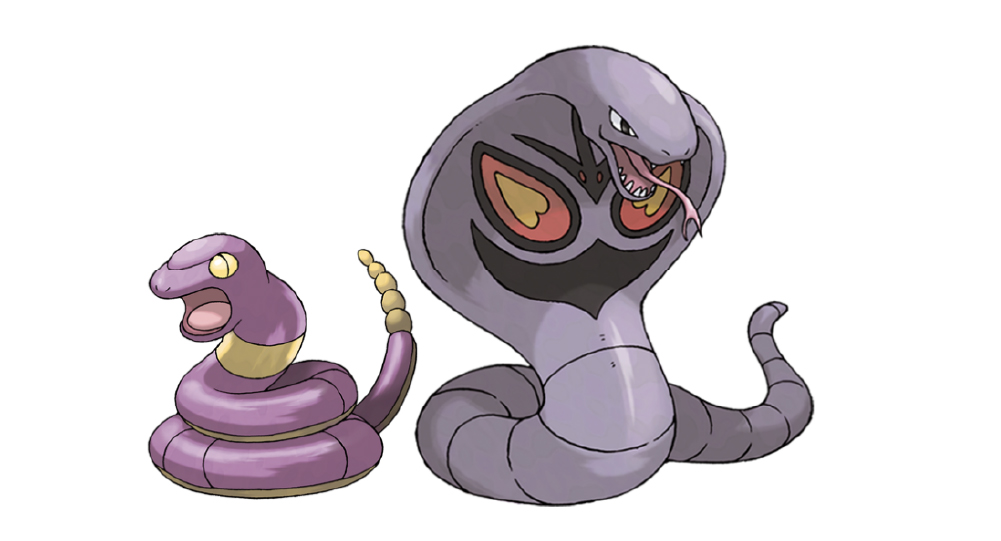
Ekans and Arbok
The slithery pair Ekans and Arbok have arguably some of the best Pokémon names, flip them backwards, and you get Snake and Kobra. This naming convention is known as an Emordnilap (Palindrome in reverse) and is similarly used in German – Rettan, when flipped, becomes “natter” German for (snake).
Alternatively, in Japanese and French, they use anagrams; “アーボ Arbo” becomes the Japanese word for snake, “ボア boa”, and Abo becomes “boa” in French.
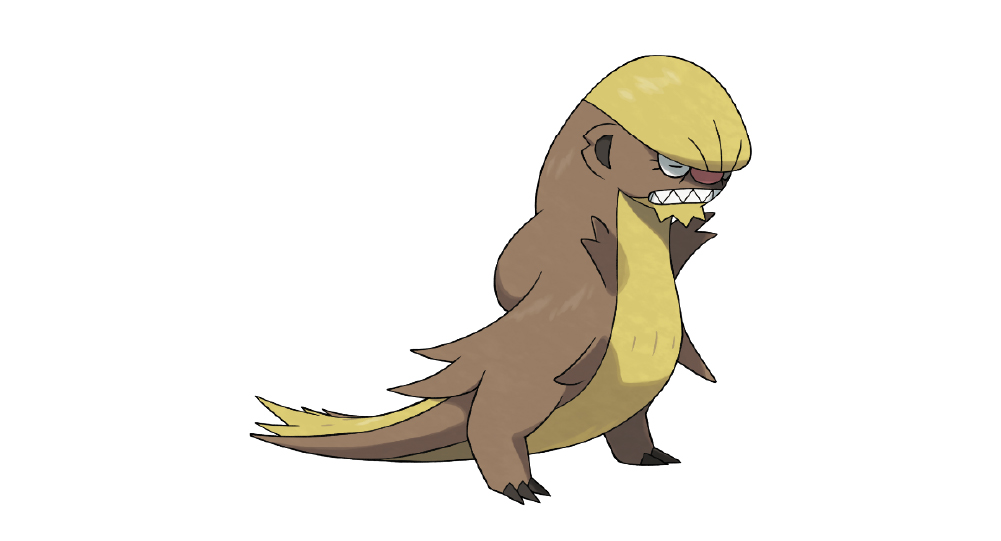
Gumshoos
Gumshoos are known as the stakeout Pokémon and perpetually stand in deep contemplation, lurking outside Rattata nests for their next meal. They are based on the word “gumshoe”, an old American slang term for a private detective and “mongoose”. In Japanese, they are called “デカグース Dekagoose” for “detective” and “mongoose”.
A similar naming convention is used in German; Manguspektor is derived from “manguste” (mongoose) and “inspektor” (inspector). The German name is also one of the longer German Pokémon names, coming in at 12 letters (which is relatively short considering that German has a ton of lengthy words).
Some other similar examples include:
● Argouste – “Argousin” is slang for a police officer, and “mangouste” means mongoose in French.
● 貓鼬探長 Māauyauhtaamjéung – “Māauyauh” meaning mongoose, and “taamjéung” meaning chief inspector in Cantonese Chinese.
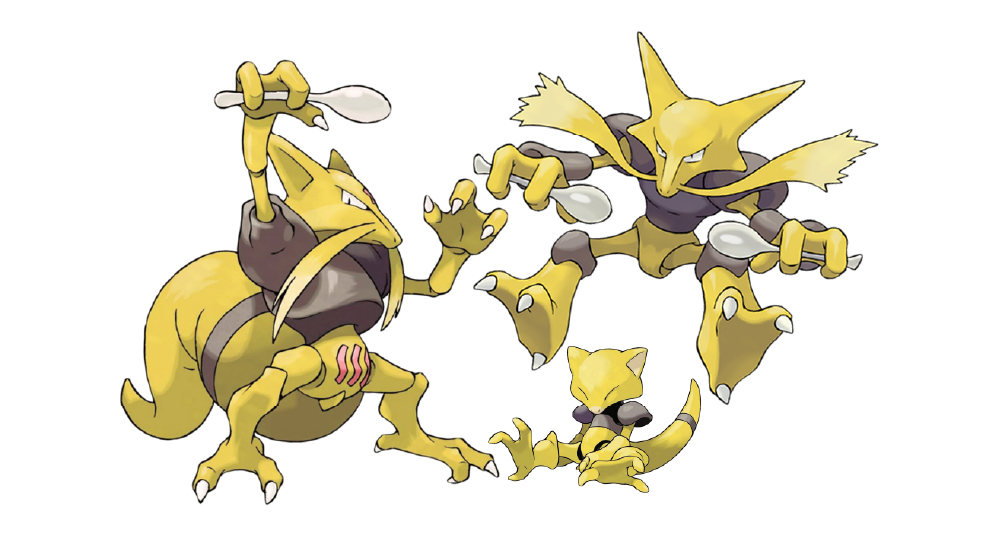
Abra, Cadabra and Alakazam
This trio of magic users stand out amongst the original set of 151 Pokémon with their incantation-inspired names. The word “Abracadabra” is ancient: it first appears in a 2nd-century Roman medical text, and is popularly linked to an Aramaic phrase meaning “I will create as I speak.”
However, in Japan, they are known as “ケーシィ Casey”, “ユンゲラー Yungerer”, and “フーディン Foodin”, based on the famous clairvoyants and illusionists at the time; Edgar Cayce, Uri Geller, and Harry Houdini, respectively.
Most other translations simply kept the English names. There’s a real legal saga behind these three, too: in 2000, Geller sued Nintendo over Kadabra (Yungerer), arguing that the spoon-bending psychic used his likeness without permission. The card then vanished from the Pokémon Trading Card Game for roughly two decades, until Geller dropped his objection in 2020 and gave the character his blessing, letting Kadabra finally return in 2023.
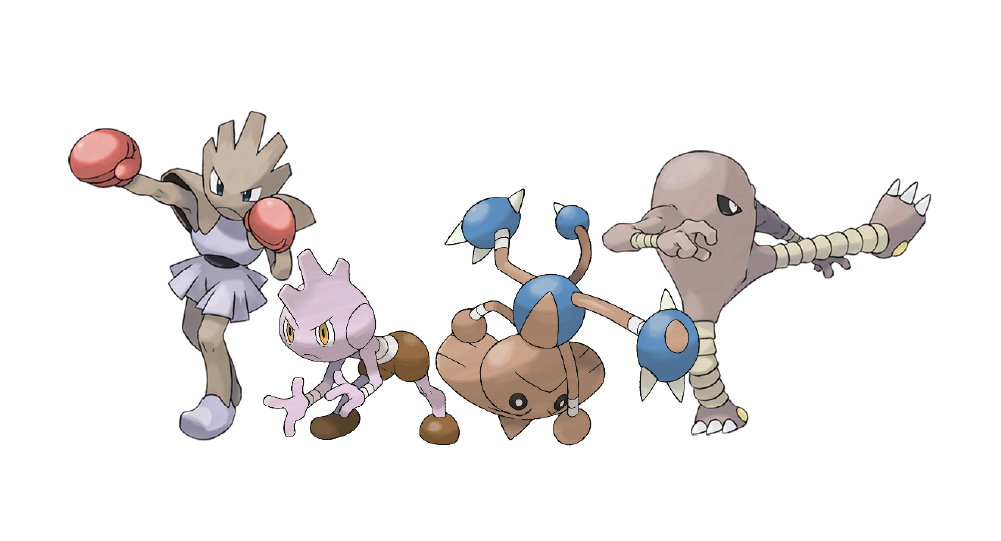
Tyrogue, Hitmonlee, Hitmonchan and Hitmontop
Following on from Pokémon’s pop culture-inspired monsters come the three evolutions of Tyrogue, its name coming from “tyro”, meaning beginner, and “rogue”, meaning someone who is playfully mischievous. Hitmonlee and Hitmonchan are very clearly inspired by Bruce Lee and Jackie Chan, especially in their preferred fighting styles – kicks vs punches. Hitmontop, on the other hand, doesn’t have a clear inspirational icon. Its name is derived from the spinning-top toys, as that is how it primarily fights, head on the ground, and feet spinning round.
In the French and German translations, however, the Pokémon is known as Kapoera, which comes from the Brazilian martial art that involves spinning one’s legs in the air. The name sits alongside Kicklee in both languages and next to Nockchan in German and Tygnon in French (a combination of Mike Tyson and “gnon”, meaning thump).
Hitmonlee was also known as:
● サワムラー Sawamular – Based on Japanese kickboxer Tadashi Sawamura.
● 시라소몬 Sirasomon – Said to reference a legendary Korean fighter.
Hitmonchan was also known as:
● エビワラー Ebiwalar – Based on Japanese boxer Hiroyuki Ebihara
● 홍수몬 Hongsoomon – Based on Korean boxer Hong Soo-hwan.
As you can see, there was a lot of creativity involved in creating fighting-themed Pokémon and the relationship with more well-known fighters in their specific localizations.
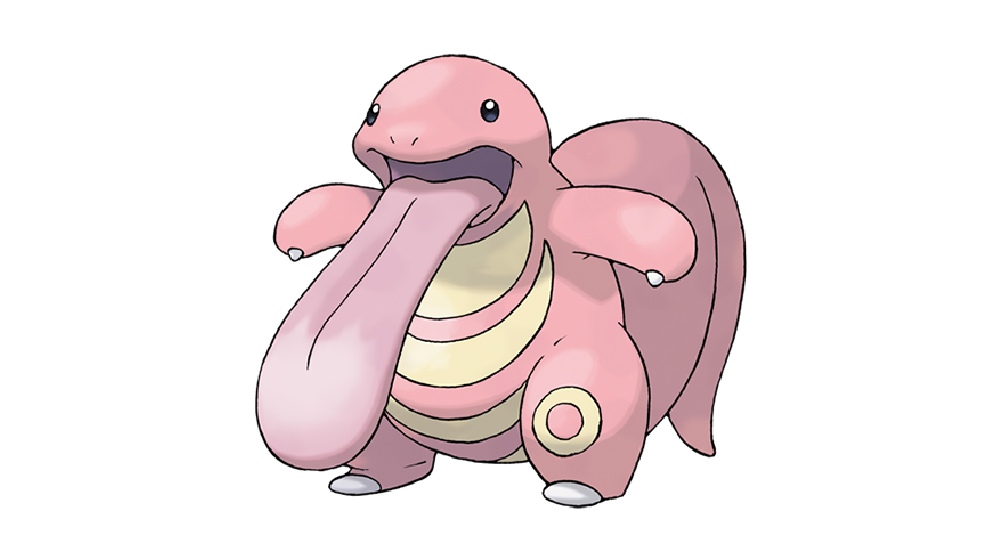
Lickitung
This Pokémon has an insatiable desire to lick dirty things clean, and with a tongue, as it has, its name is exceptionally fitting. Lickitung (hilariously known in the development stage of the first game as “Tonguetyd”) was inspired by lungless salamanders and the mythical Japanese yokai Akaname, which has a single claw on each foot and a long, sticky tongue it uses to lap up grime. In other languages, it similarly follows suit with its funny tongue-inspired names:
● ベロリンガ Beroringa – “Bero” meaning (tongue) in Japanese, and “Lingua” also meaning (tongue) in Latin
● Excelangue – Meaning excellent (tongue) in French
● Schlurp – This is the German name and is onomatopoeia for the slurping sound a mouth makes.
● 大舌頭 Dàshétóu – “Dà” meaning (big) and “shétóu” meaning (tongue) in Mandarin Chinese.
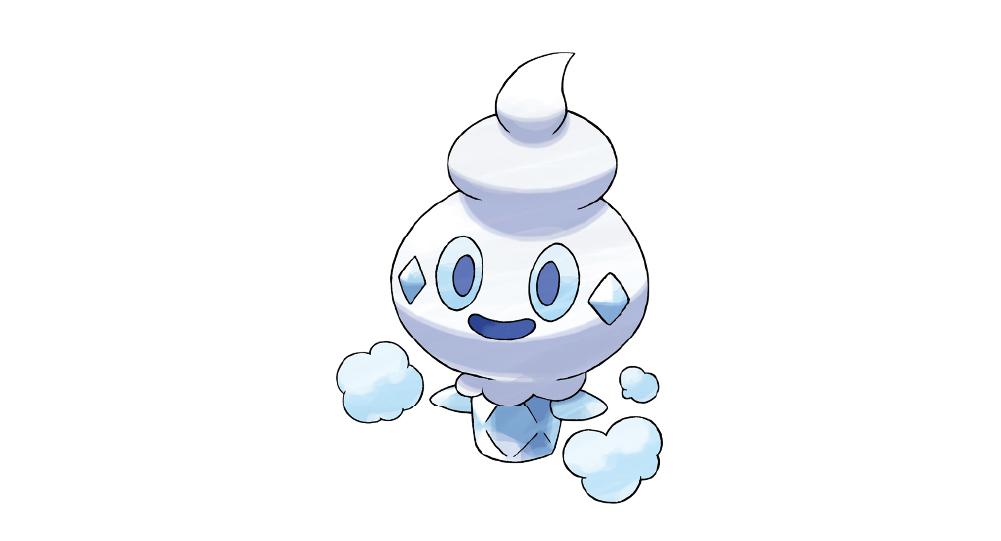
Vanillite
People often ask which of the three iced dessert types is the tastiest (ice cream, sorbet or gelato). Based on the translations for the Pokémon Vanillite, we think we can safely say that each of those regions has a definite preference.
The fresh snow Pokémon’s name is a portmanteau of “Vanilla” and “Delight”, comfortably matching the Pokémon’s status as a small ice cream cone-shaped creature. The other translations have arguably much cuter names, and the naming conventions are carried onto its evolutions, Vanillish (Delish) and Vanilluxe (Deluxe).
● Sorbébé – Sorbet and “bébé” meaning (child) in French.
● Gelatini – A combination of gelato and mini for the German translations.
● バニプッチ Vanipeti – A combination of Vanilla and “petit”, French for (small), used in the Japanese translations.
● 迷你冰 Mínǐbīng – a combination of Mini and “bīng”, meaning (ice) in Mandarin Chinese.
The Big Picture: There’s rarely one “correct” way to translate a Pokémon name. Each language tackles the same wordplay as a fresh puzzle, so the best-fitting name in one region can look nothing like the one players know somewhere else.
Conclusion
This was only a glimpse at work done by talented translators to ensure that Pokémon stays fun and enjoyable for children – and of course, for us adults as well. Thankfully, the games don’t follow the animated TV show tradition of having the Pokémon cry their names when they try and speak; otherwise, there would be quite a lot of work to be done in the voice-over department.
The naming conventions of Pokémon are well done and, in most cases, perfectly complement the designs. I hope this blog helped you learn a few interesting facts and where some popular Pokémon names originated!
If you are interested in learning more about the creative process of localizing a video game – check out our guide.
And if becoming a Pokémon master isn’t for you, but you have a brand-new monster hunting game in the works that might need some region-exclusive names and details translated, throw your Pokeball over this way and contact us here.
FAQ
What does the word “Pokémon” mean?
“Pokémon” is a contraction of the franchise’s original Japanese name, Pocket Monsters. The word is also unusual in that it stays the same in the singular and the plural, so it’s correct to say one Pokémon and many Pokémon, just as it is to say one Pikachu and many Pikachu.
What is the longest Pokémon name?
Crabominable, at 12 letters, is among the longest standalone species names in the series. This fur-covered yeti crab held the record outright for years after its 2016 debut, until a couple of Generation IX Pokémon matched it. The early games even capped names at 10 characters, which is why so many classic Pokémon have short, punchy names.
Why do Pokémon have different names in other languages?
Most Pokémon names are puns, and a pun rarely survives a word-for-word translation, so each language often rebuilds the joke from scratch. Not every language changes them, though: Spanish and Italian mostly keep the English names, while German, French, Korean, and Chinese tend to create their own.
Are the meanings behind Pokémon names official?
Mostly not in any formal sense. Game Freak rarely publishes a breakdown of how each name was built, so the meanings you read are widely accepted readings that fans and reference sites piece together from the obvious wordplay. They are well-supported, but the more obscure ones are best treated as educated interpretation rather than confirmed canon.
Who comes up with Pokémon names?
Names start with Game Freak’s designers in Japan, who build them as wordplay before the games go global. The English versions have been shaped by localizers such as Jeff Kalles, who helped name a large batch of the Generation II Pokémon ahead of their international release.