Subtitle translation projects at Pangea Global come in all different wonderful shapes and sizes. Whether it’s a movie, game, documentary, or e-learning material, in various languages ranging from Chinese to Italian, we perform subtitle translations for clients on a daily basis.
Our deliveries have helped businesses reach a wider audience and expand globally. We never fail to produce an accurate and professional adaptation of your message. With our hard work however comes a few challenges – that we always win!
Key Takeaways:
Subtitle translation is compression, not conversion – linguists rebuild each line so the meaning survives within tight space and timing limits.
Streaming platforms codify those limits in style guides that spell out exact line lengths and on-screen durations for every language.
Every speaker has a distinct voice, and subtitles have to preserve it – a CEO and a street vendor should not sound identical in translation.
Idioms, humor, and local references rarely survive a direct transfer, so cultural adaptation is part of the translator’s job.
AI tools can generate subtitles almost instantly, yet unreviewed machine output has already tripped up a major streamer, so human review remains non-negotiable.
Translating Word-for-Word
As with any translation, adapting subtitles word-for-word is a no-go. A literal translation will almost always result in a translation fail. Firstly, there are words or phrases that may make sense in one language, but are completely inaccurate in another. The process of subtitle translation also requires wording to be minimised as much as possible – if you were to translate word-for-word, the resulting subtitles would be far too long for the screen.
Reducing Word Count
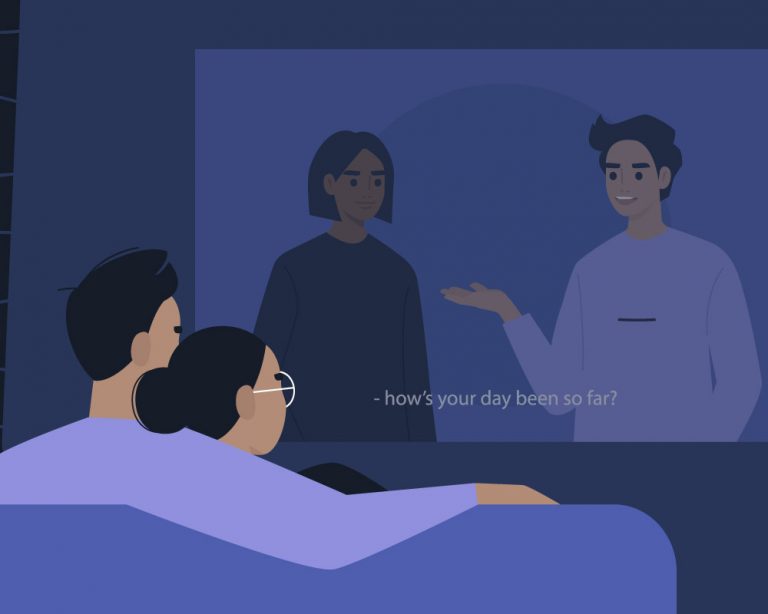
When it comes to translating subtitles, there are several constraints linguists must adhere to. Translations are usually limited to two lines of subtitles, with each line capped at 42 characters for most Latin-alphabet languages. That limit comes from Netflix’s Timed Text Style Guide, a reference point across the industry. These strict rules require a careful translation, where certain words must be sacrificed, and sentences have to be completely restructured to sustain the same, original message.
Sticking to Time Limits
The minimum length of a subtitle is generally five-sixths of a second, while the maximum is seven seconds under the same guidelines. Sticking to time limits during the translation process comes hand-in-hand with reducing the word count. Linguists must ensure that the wording is short, brief and quick enough to keep up with time restraints. Their timing should be so exact, that they appear when the speaker is speaking on screen. When this is done incorrectly, and the subtitles are placed at the wrong time, without matching the speaker, it results in a messy, embarrassing fail.
Conveying the Correct Speech
When performing a subtitle translation, it’s imperative that the linguist is aware of the kind of speech used by every speaker in the video. For instance, an old woman speaks differently to a teenage boy and the Queen uses different speech and wording compared to a factory worker. The correct terminology, phrases and sentence structuring has to be used to ensure that you are accurately conveying the age, status and personality of the speaker.
Meeting Different Cultures
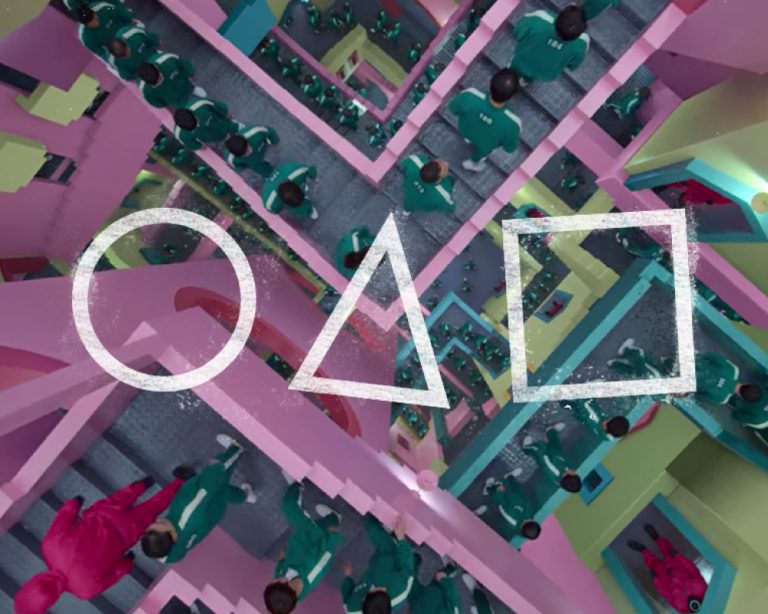
Every translation has the challenge of adapting to various cultures. When you are changing content from one language to another, you must ensure that the result meets the values, norms and cultural aspects of the reader. Symbols, numbering formats and terminology mean different things in each country and culture. Our translators are therefore careful when they translate subtitles, making sure that they are not offending, miscommunicating or confusing the reader. For a high-profile example of how much nuance can slip away, see our breakdown of the Squid Game subtitles.
Not Having the Visual Content
There are cases when we receive subtitles without the visual content. While we accept this, it does pose some difficulties. Not having the matching video or film with the subtitle file is challenging as we cannot identify the speakers or clarify the timing and spacing. The audio, visual and subtitles need to completely coordinate and harmonise together in order to achieve a quality subtitle translation.
Ignoring Machine Translations
Unless you’re a professional translation agency, there is sometimes the temptation of using machine translations to complete the job. This is actually considered a sin in the language world. Quality language service providers like Pangea Global value the importance of real, human translators. Using machines such as Google will only lead to mistakes and an unprofessional result. When translating subtitles, it’s therefore crucial that you use native, qualified, skilled and human translators.
Trusting Unedited AI Subtitles
AI subtitling tools have moved from novelty to everyday reality. They transcribe speech, translate it, and time the file in minutes, which makes them tempting under deadline pressure. Pace, though, solves none of the challenges above – fitting the frame, matching the speaker, and carrying the culture across still demand human judgment.
In July 2025, Crunchyroll viewers spotted the line “ChatGPT said:” inside the German subtitles of the anime series Necronomico and the Cosmic Horror Show. The company confirmed that a third-party vendor had delivered AI-generated subtitles in breach of its agreement. The story ran across the tech press within hours, because a paying audience notices this kind of shortcut immediately.
That does not make the technology useless. Used as a first pass, it can speed a project up – provided a native linguist checks the timing, terminology, and tone before release. We walk through that workflow in our guide to video translation from A to Z.
FAQ
What is the difference between subtitles and closed captions?
Subtitles translate spoken dialogue for viewers who hear the audio but do not speak the language. Closed captions transcribe everything in the original language, including sound effects and speaker labels, for viewers who cannot hear it. Many projects need both, particularly where accessibility rules apply.
How much does subtitle translation cost?
Most providers charge per minute of video, and the rate depends on the language pair, the runtime, and whether transcription and timing are included. Tight deadlines and rare languages raise the price, so sharing the finished video and a clear brief up front keeps quotes accurate.
Can one video be subtitled in several languages at once?
Yes: professional teams work from a single timed template, which keeps segmentation and pacing consistent across every language version. That is how multilingual subtitles stay in sync with each other and with the video itself, even in ten or more markets.
How long does subtitle translation take?
Turnaround depends on the video’s length, the number of target languages, and how ready your materials are. A final cut with an approved script moves fastest, while anything still in flux adds review cycles to the schedule.